21 August 2026

Enhance Your Recruitment & Retention Strategy For Rare Kidney Disease Trials

Enhance Your Recruitment & Retention Strategy For Rare Kidney Disease Trials

Enhance Your Recruitment & Retention Strategy For Rare Kidney Disease Trials

Breakthroughs in genetic understanding alongside the growing shift toward accommodating orphan drugs have led to an upswing in clinical trials for rare kidney diseases, of which there are 150+ affecting patients worldwide. Despite increased treatment possibilities, there are several challenges facing sponsors developing drugs for these indications, including low patient numbers, high patient burden, increased competition, fragmented clinical networks, limited epidemiology data, and complex protocol designs. However, by incorporating the perspectives of scientific experts into protocol design and taking evidence-based approaches to patient recruitment and retention, sponsors can establish more accessible, scientifically sound, and strategic rare kidney disease trials.

The Recruitment and Timeline Challenges of Renal Rare Diseases

At the planning stages of many kidney disease trials, there is a tendency to select sites based on general nephrology volume rather than indication-specific patient pools, leading to recruitment delays. For example, a center managing 200 chronic kidney disease (CKD) patients per year may only have five patients who are eligible for a narrow IgA nephropathy (IgAN) or Alport syndrome trial. There are also protocol-level barriers, including restrictive estimated glomerular filtration rate (eGFR) windows, mandatory biopsies, and polypharmacy exclusions, all of which can exclude otherwise eligible patients.

Sponsors may fail to properly incorporate scientific expertise and input during protocol design, for example, only allowing investigators to see protocols during site selection or initiation when it is too late to flag feasibility gaps. Furthermore, sites often underestimate screen-failure rates, which in conditions like focal segmental glomerulosclerosis (FSGS) or complement 3 glomerulopathy (C3G) routinely run from 60% to 80%, a statistic that may overwhelm sites and erode motivation. Finally, sponsors also experience regulatory delays in multi-country studies when parallel planning for licenses, IP import logistics, and country-specific requirements are not initiated early enough in development.

A Strategic Approach To Early Feasibility, Country-Site Selection and Study Management

Proactive, precision feasibility is critical to ensure that a complex study can be successful and comply with ethics committee requirements in specific countries or regions. This work should begin 12-18 months prior to first patient in (FPI) by evaluating country shortlists based on referral network data rather than published prevalence estimates alone. By collaborating with regional key opinion leaders (KOLs) to map actual patient pathways, sponsors gain insight into which nephrologists see the highest volume of biopsy-confirmed cases, which registries or patient advocacy databases support pre-screening of patients, including those specific genetic mutations, and which countries have regulatory timelines that align with target program milestones. From there, sponsors will be positioned to select fast-start sites for rapid trial activation.

Within Avance Clinical’s Renal & Cardiometabolic Center of Excellence, the team incorporates perspectives of national and regional KOLs from the earliest stages of protocol design and throughout the lifecycle of the study. During study start-up expert perspectives help accelerate regulatory and ethics timelines by ensuring alignment with country-specific guidelines. Once the study enters the recruitment and retention stages, KOLs acting as national or regional leaders can provide critical peer-to-peer input to help resolve site-based issues and to ensure investigator commitment to the study is maintained through to completion of the last patient. This scientific leadership model has helped sponsors ensure 50% higher recruitment and a doubling of retention rates. In previous renal development programs managed by the Avance team, this approach has resulted in 78% of sites randomizing at least one patient — an exceptional outcome for rare kidney disease trials.

The Avance Clinical scientific leadership model incorporates a formalized governance structure, overseen by the Renal & Cardiometabolic Center of Excellence, working in close collaboration with a select team of senior KOLs. This ensures that the most appropriate scientific leaders and investigators are assigned to each clinical program and that all stakeholders, including sponsors, KOLs and investigators, benefit maximally from the relationship.

Design More Patient-Centric Trials

Renal indications are typically not candidates for decentralized trials since eGFR trajectories and proteinuria measurements are primary endpoints and central laboratory standardization is non-negotiable for regulatory acceptance. However, a hybrid approach that focuses on reducing ancillary visit burden enables trials to better accommodate patients. The following hybrid strategies are worth considering:

  • Local or satellite labs that handle safety blood samples between key study visits
  • Telehealth check-ins to replace some in-person visits for stable patients
  • Home nursing to aid patients with mobility limitations

Hybrid trial elements should be designed under advisement from key stakeholders to ensure that patient convenience is not gained at the cost of data quality or safety. By adjusting protocols, visit schedules, and support services to reduce burden on a small and medically complex population, sponsors bolster enrollment and retention goals.

Sponsors should also incorporate feedback and insight obtained from patient advocacy groups as they design protocols. Patient communities can provide their perspectives, flagging visit burden, travel distances, and procedure anxiety that are not visible in epidemiology data. For conditions with well-developed patient registries and advocacy groups — such as Alport syndrome, FSGS, and IgAN — patient advocacy organizations can collaborate on developing compliant recruitment messaging and mapping referral pathways via the investigator network and study communication plan.

For rare kidney diseases, patient advocacy organizations and disease registries are often the fastest route to an engaged patient pool. Sponsors need to foster relationships with these bodies to facilitate introductions and co-develop institutional review board (IRB) or ethics committee (EC)-approved awareness content. Investigators should verify that all communications meet applicable FDA, EMA, and local authority guidance on patient recruitment, while registries provide de-identified feasibility data that informs site selection and screen-failure forecasting to reduce the risk of inflated enrollment expectations.


Identify A CRO With Genuine Renal Expertise

In the pursuit of finding a CRO partner with the staff and infrastructure to support these trials, sponsors must conduct rigorous due diligence to evaluate a CRO’s experience, site networks, and patient recruitment methodology. Consider the following key questions to raise with potential partners:

  • What renal indications and individual trials has your team managed? Which biomarker endpoints were primary? Note that generic nephrology experience is not rare kidney disease experience.
  • Who are your scientific leaders in renal disease? What are their publication records and KOL relationships in this indication?
  • What screen-failure rates did you observe in your last IgAN, FSGS, or Alport study? How did you adjust the strategy in response?
  • What percentage of your sites in the last rare renal study randomized at least one patient?
  • How do you integrate patient advocacy groups and disease registries into your recruitment planning in a compliant way?
  • What is your parallel planning process for regulatory/ethics submissions and IP import logistics in a rare kidney disease program?

By gaining insight into these questions, a sponsor’s team will have a more robust understanding of whether a CRO is equipped with the skills to handle their trial.

Improve Recruitment For Your Upcoming Trial

To enhance recruitment for an upcoming trial, consider implementing the following approaches as early as possible:

  • Engage indication-specific scientific leaders before the protocol is locked. Early input prevents IRB/EC criteria errors that can doom feasibility from the start.
  • Conduct precision feasibility by mapping actual patient referral pathways in target countries using registry data, advocacy group intelligence, and investigator-level patient counts.
  • Appoint national and regional scientific leaders pre-submission. These experts help accelerate regulatory/ethics timelines and motivate site teams from day one.
  • Model screen-failure rates honestly using indication-specific data and plan site numbers, activation timelines, and budgets accordingly.
  • Design a hybrid patient model at the protocol stage by identifying which visits can use local/satellite labs, telehealth, or home nursing so the plan is IRB/EC-approved before launch.

Though the burdens of developing treatments for kidney rare diseases are high, by emphasizing data-driven recruitment and partnering with experts and patient advocacy organizations, sponsors will be well-positioned to design accessible trials with strong enrollment.

About the Author

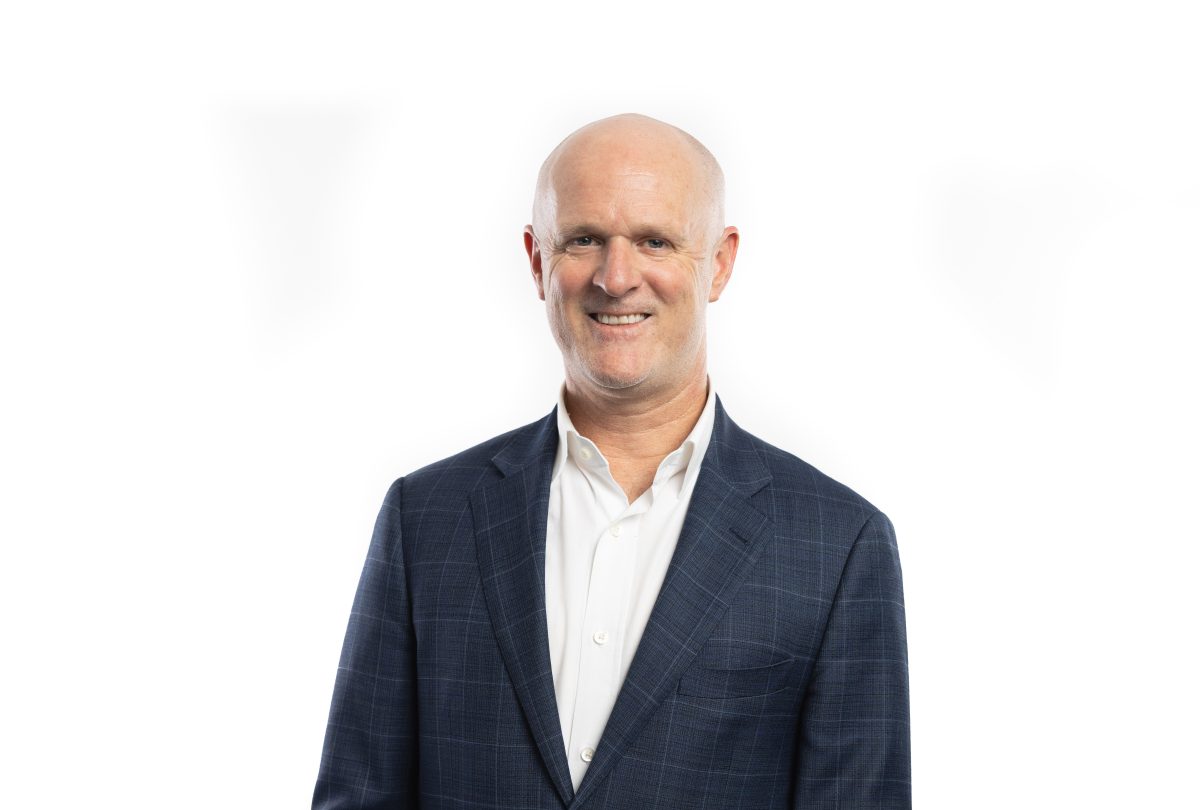
Dr Graham Birrell

Dr Graham Birrell

Renal & Cardiometabolic Therapeutic Area Head

Dr Graham Birrell's LinkedIn Profile
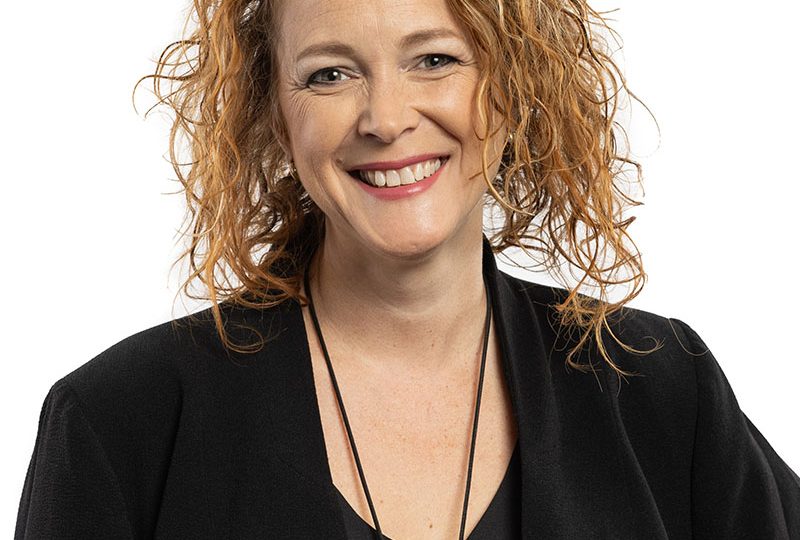
Dr Manthinda (Manthi) Hettiarachchi

Dr Manthinda (Manthi) Hettiarachchi

Renal & Cardiometabolic Operational Strategy Head

Dr Manthinda (Manthi) Hettiarachchi's LinkedIn Profile

Related Items