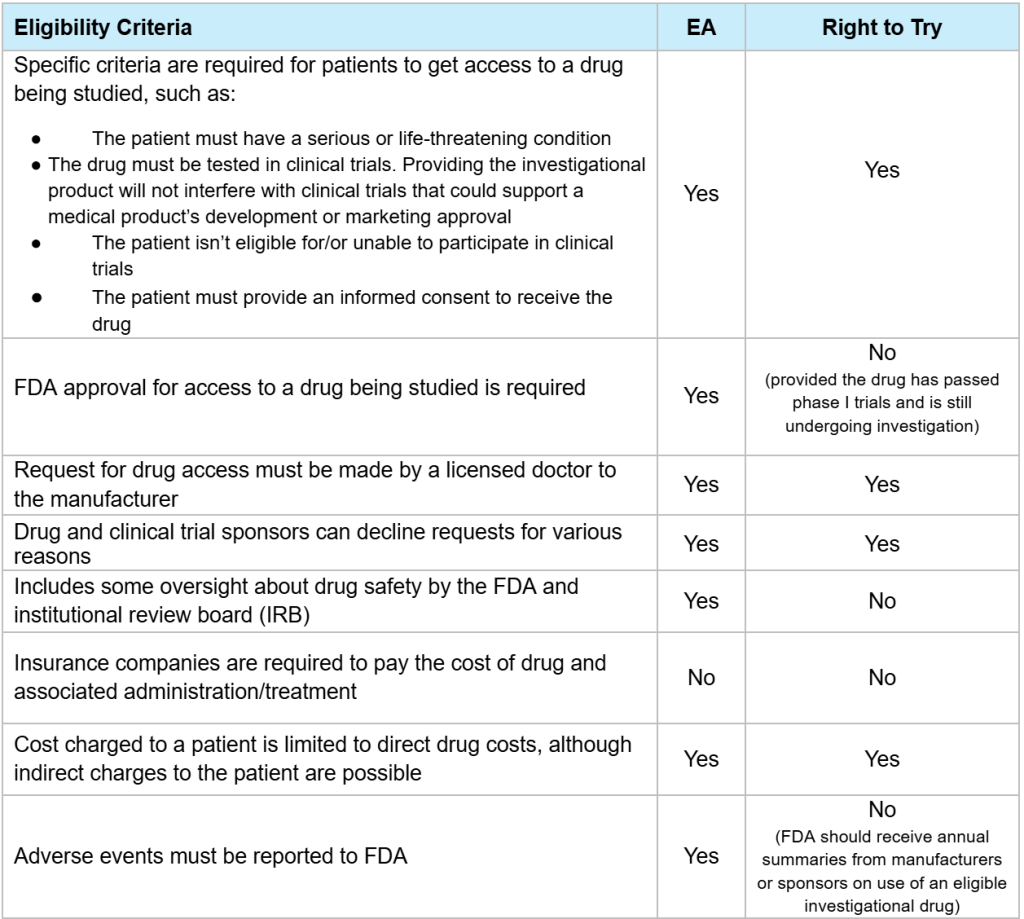
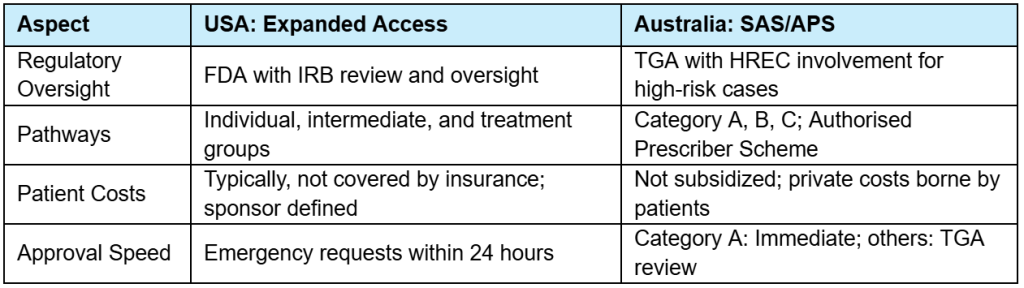
One of the significant challenges in both systems is the cost associated with unapproved therapies. In the U.S., investigational products accessed through Expanded Access are typically not covered by insurance, leaving patients to shoulder significant financial burdens. Similarly, Australia does not subsidize these therapies under the Pharmaceutical Benefits Scheme, meaning patients must pay out of pocket. Providers in both countries are required to ensure transparency in cost discussions and obtain informed consent from patients, emphasizing the experimental nature of the treatment and potential risks.
Although these frameworks aim to provide equitable access to investigational therapies, they are not without criticism. In the U.S., the complexities of regulatory compliance, combined with the discretion granted to manufacturers, can limit access to potentially life-saving treatments. Australia’s system, while streamlined in some respects, places a heavy burden on healthcare providers to justify and report on the use of unapproved products, which may delay treatment for patients in urgent need. Additionally, concerns about the potential misuse of these pathways underscore the importance of balancing access with the broader goals of drug development and public health.
Despite these challenges, the compassionate use frameworks in the U.S. and Australia play a crucial role in addressing unmet medical needs. By enabling access to investigational therapies, these programs provide hope for patients facing dire circumstances while generating additional data that may contribute to future regulatory approvals. However, both systems rely on maintaining a delicate balance between patient safety, ethical considerations, and the integrity of ongoing clinical research. As stakeholders navigate these complex pathways, they must prioritize transparent communication, robust oversight, and equitable access to ensure that the benefits of compassionate use outweigh the inherent risks.